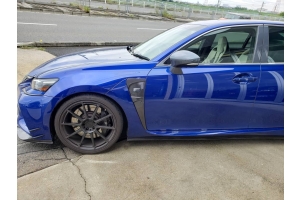
Lexus RC F Build Guide: Coils, Headers, Carbon Aero, In What Order


A lot of RC F owners call us with the same RC F build plan. They want headers, coilovers, carbon aero and a tune, and they want it all done this month. Totally understand. The RC F makes you want to do everything at once.
My concern with doing it all in one go is that you end up paying for some work twice. You set the ride height, then the aero goes on and you want it lower. Or the car gets louder and faster, and then a tired coil pack starts acting up and you're chasing a misfire on a car you just spent real money on.
So let's walk through how we'd sequence an RC F build if it were our car. This isn't the only way to do it. It's just the order that, from what we see with customers, causes the fewest headaches.
The biggest takeaway first: RC F build order
Do the reliability work before the power work, and do the suspension before the aero. If you remember nothing else from this post, remember that. The rest is details.
Step 1: Get the ignition healthy
The 2UR V8 is a great engine. It's also a V8 that a lot of owners drive hard, and ignition coils are a wear item. They don't last forever, especially on cars that see heat cycles at the track or sit in traffic in a hot climate.
Before we touch anything that adds power, we like to know the engine is firing cleanly on all eight cylinders. If the car is high mileage or you don't know the history of the coils, this is the cheapest insurance in the whole build.
HighSpark sells their Lexus V8 coils as boxed kits, so you're replacing them as a set instead of one at a time. There are two versions:
- HighSpark Ignition Coil for Lexus V8 (Box of 4)
- HighSpark Ignition Coil Premium for Lexus V8 (Box of 4)
Why HighSpark over stock coils? HighSpark rates the spark output at 2 to 2.5 times more powerful than an OEM coil, and they stabilize the voltage coming out of the coil, so the engine runs smoother and more stable. What you'll actually feel is throttle response. It's sharper. Now, I want to be honest here. This isn't a big horsepower part. Better combustion efficiency gets you a small gain in low-speed torque and horsepower, but it's minimal. The real win is response and a smoother-running engine.
So what's the difference? Standard is built for the street and the occasional track day. Premium is the track-focused tier, which HighSpark tunes to raise voltage starting at idle without giving up throttle response. Going by my own notes, that's about 25% better response and 7% less noise than Standard. Both are built the same way, with German copper wire and Kyocera resin.
Here's some real feedback from a customer, too. He went from stock coils to the Standard kit on a road course, and he told us he could get back on the throttle sooner and the throttle felt quicker. He also noticed his fuel economy went up. That's one driver's experience, not a lab number, but it tells you Standard isn't just a street part.
A V8 has eight coils, so double check on the product page how many boxes your car needs before you order. If you're unsure which version fits how you drive, we can compare notes. We wrote a whole separate post on when to replace 2UR coils if you want the deeper version.
Step 2: Headers
Once the ignition side is sorted, this is where the fun starts. On the RC F, the exhaust manifold is the part most people ask us about first, and honestly it's the one that changes the character of the car the most.
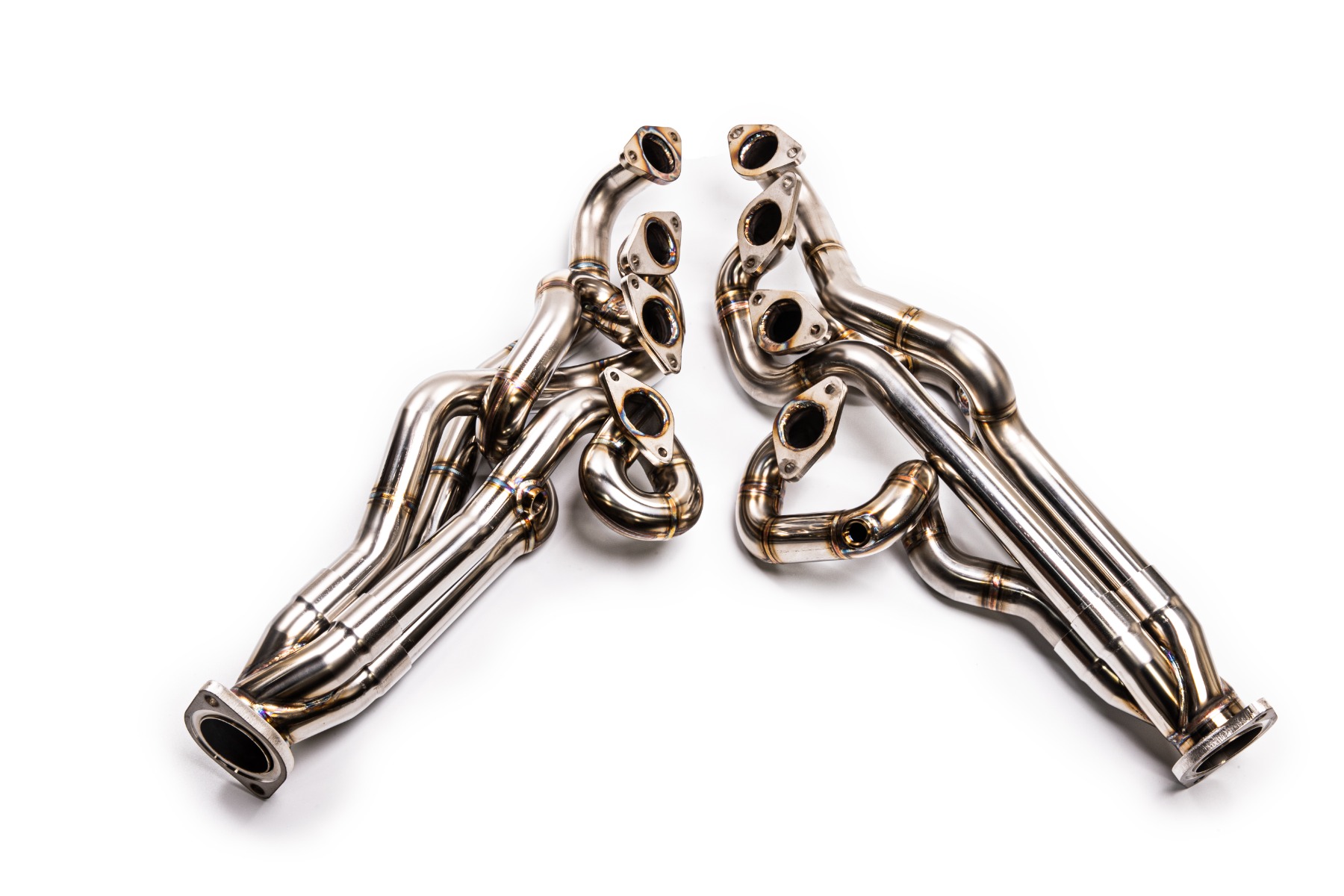
The NOVEL Racing Japan GEN III Exhaust Manifold is made for the IS F, RC F, GS F and IS 500. We've covered it a few times already, so if you want the full rundown, check our GEN 3 manifold post.
A few things worth thinking about before headers go on:
- Your local rules. Emissions requirements depend on where you live and how you use the car. Read the product page and know your situation before you buy.
- Install. This isn't a driveway job for most people. Budget for a shop that has done 2UR headers before.
- Sound. It will change. Some people love that and some people's neighbors don't.
If you're stuck deciding between header styles, this video walks through how we think about it:
Step 3: Suspension
More power is great until the chassis feels like it can't keep up. This is the step people want to skip, and it's the one I'd push back on the most.
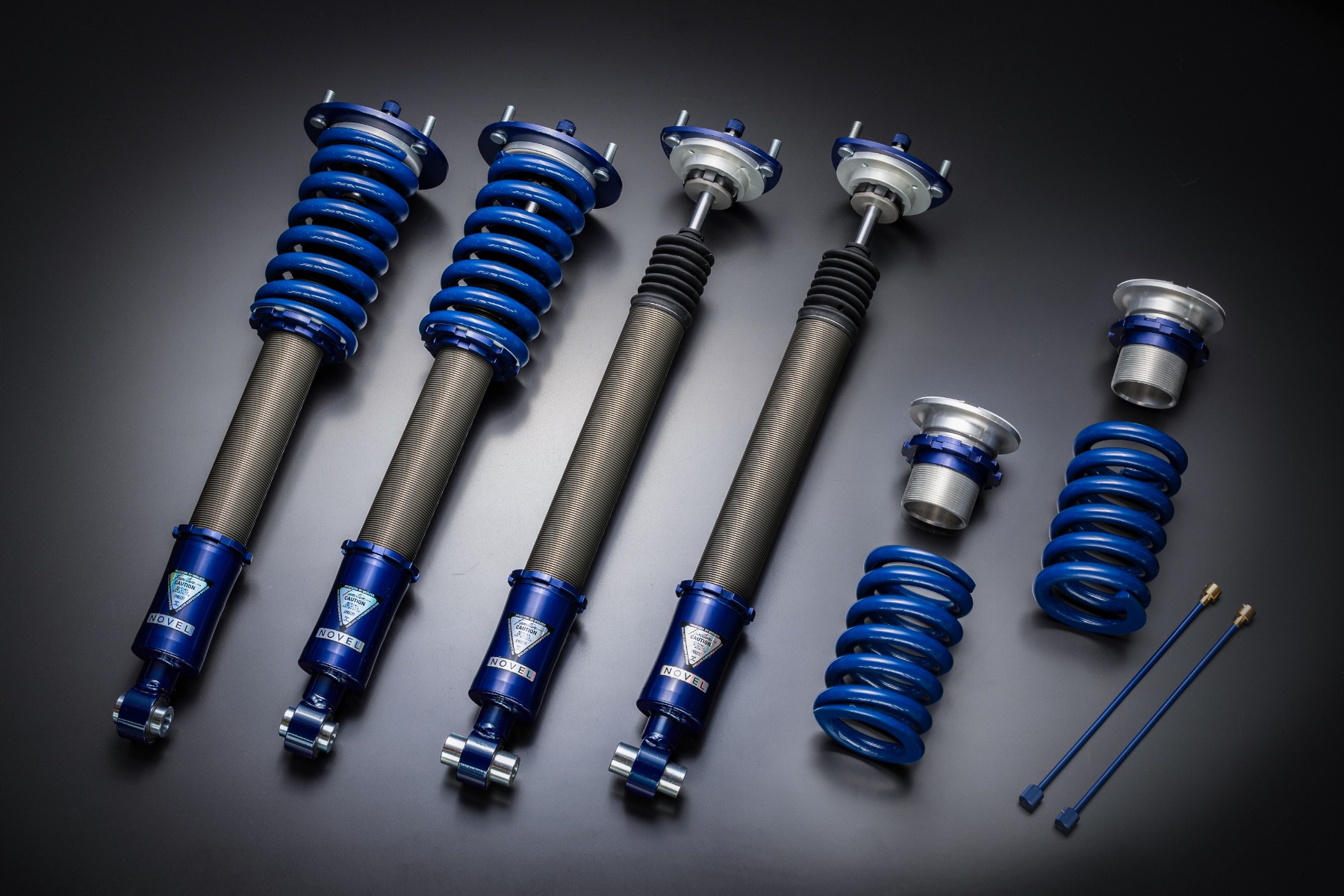
The NOVEL Racing Japan × Endless Zeal Racing Coilovers for RC F were developed for this car specifically. The listing shows the spring rates (F 20KG / R 24KG). That's a stiff setup, so think about how you actually use the car. If it's mostly a street car with the occasional canyon run, have that conversation with us before ordering. If it sees the track, this is where it makes the most sense.
The reason suspension comes before aero is simple. Your ride height decides how the front lip and diffuser sit. Set the stance first, live with it for a bit, then fit the aero to that height.
Step 4: Carbon aero
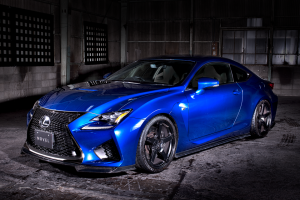
This is the part everybody sees, and it's the part that makes the car feel finished. NOVEL's RC F carbon pieces we carry include:
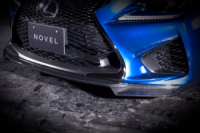
- NOVEL Front Lip Spoiler for RC F
- NOVEL Rear Under Spoiler for RC F (CFRP)
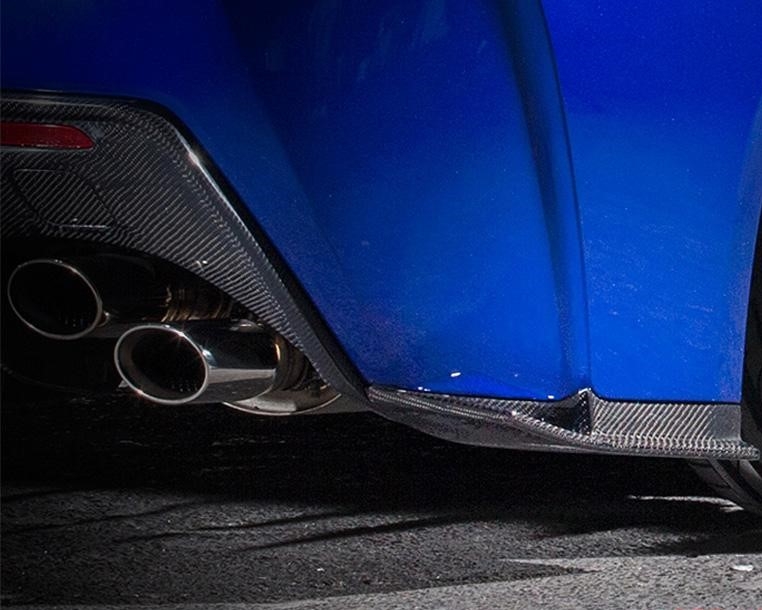
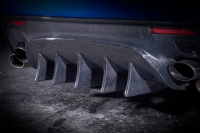
- NOVEL Carbon Fiber Rear Diffuser for RC F
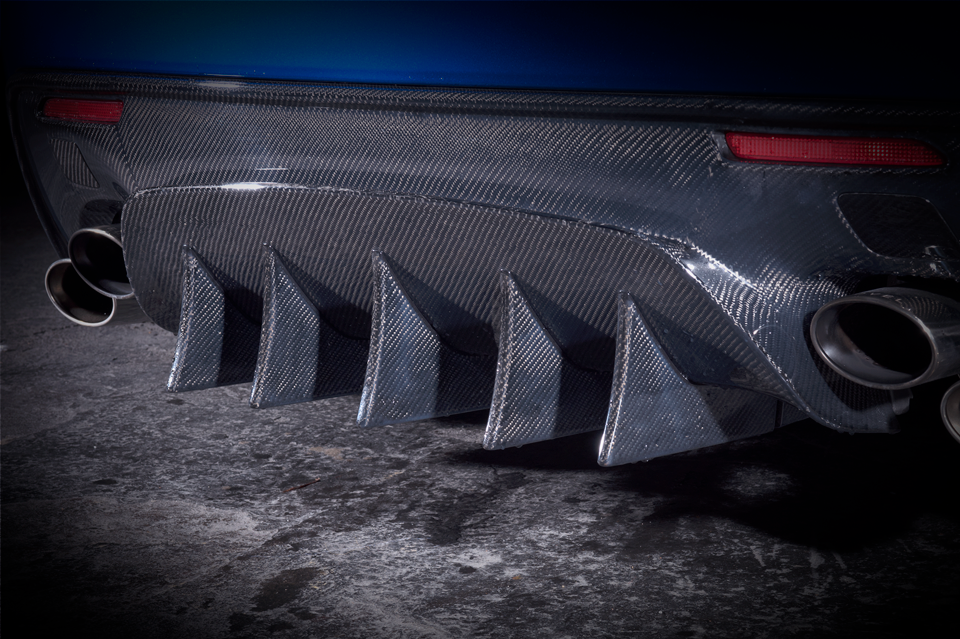
You don't have to buy it all at once. A lot of customers start with the front lip, live with it, then add the rear pieces later. That spreads out the cost and lets you see how you like the look before committing to the full set.
If you want to see how far an RC F can go with NOVEL parts, David Yansens' SEMA car is a good reference point:
What about brakes?
Good question, and it depends on how you drive. If the car sees track days, brakes move way up the list, probably alongside suspension. NOVEL and Endless make a 2PC front and 3PC rear rotor set for the RC F and GS F. We wrote about them in our NOVEL × Endless rotor post. For a street car, your factory brakes with good pads are usually fine for a while.
Tradeoffs worth being honest about
There are a few ways to approach this, and none of them are wrong:
- Looks first. Some people want the aero on day one because that's why they bought the car. Totally fine. Just know you might adjust it after coilovers go in.
- Power first. Headers first is the most fun, but if the coils are old, you're stacking risk.
- All at once. Fewer shop visits, bigger single bill, harder to tell which change you like.
Our default is still coils, headers, suspension, aero. It keeps the car reliable while you build it, and you're not redoing work.
Install notes and difficulty, step by step
People always ask how hard each step is. Here's how we'd rate them, honestly, based on what we hear back from shops and customers.
Coils: easy
Coil packs on the 2UR are the most approachable job in this RC F build. If you're comfortable with basic hand tools, you can usually do it yourself. Take your time with the connectors. Old plastic clips get brittle with heat, and a broken clip is the most common way this simple job turns into a parts run.
Headers: hard
This is shop work. Old exhaust hardware can be stubborn, and on a car that's seen some winters or a lot of heat cycles, expect at least one fastener to fight back. Ask your shop if they've done 2UR headers before. That experience saves hours of labor.
Coilovers: medium
The install itself is straightforward for a suspension shop. The part people forget is the setup afterward. Set ride height, let the car settle, then get a proper alignment. Coilovers that are never aligned or corner balanced don't feel the way they should.
Carbon aero: medium
Always test fit before you drill anything. Carbon parts should be checked against the car, and a good body shop will tell you if anything needs adjustment before it's mounted.
Year and trim gotchas on the RC F
The RC F ran a long time, and parts aren't always year agnostic. Before ordering, check the year range on each product page. If your car has an aero package or a later facelift bumper, mention it when you ask for a quote. That's the kind of detail Tania or Kenia will ask about anyway, and it's easier to sort out before the part ships.
Maintenance once it's built
- Coilovers: keep threads clean, especially if you drive in rain. Recheck ride height after the first few hundred miles.
- Headers: recheck hardware after the first heat cycles.
- Carbon: protect the clear coat from UV and wash it like paint.
- Coils: if a misfire ever shows up, check the coil and plug for that cylinder first.
FAQ
Do I need to replace coils if my car runs fine?
Not necessarily. If the coils are original on a higher-mileage car, or you plan to drive it harder after headers, replacing them as a set is cheap insurance. If you're not sure, ask us and we'll talk through it.
Does the NOVEL GEN III manifold fit my RC F?
It's listed for the IS F, RC F, GS F and IS 500. Check the product page for your model year and send us your VIN or year if you want us to confirm.
Can I install the aero before coilovers?
You can. You may want to recheck how the lip and diffuser sit once the ride height changes.
Are the RC F coilovers good for daily driving?
They're a racing coilover with the spring rates listed on the product page. Some people daily them, some find them too stiff. Tell us how you use the car and we'll give you an honest answer.
Do you install parts?
We're a parts distributor based in Ontario, California. We're happy to point you in the right direction, but your install will be done by your shop of choice.
How long does an RC F build like this take?
It depends on your budget and your shop. Spread out over a few months is normal, and it gives you time to live with each change before adding the next.
Should I tune the RC F after headers?
That depends on your application and local rules. Talk to your tuner and check the product page before you commit.
Next step
If you're putting a plan together, the easiest thing is to add the parts you're looking at to your cart and hit Add to Quote. We'll look it over, confirm fitment and availability, and get back to you. If you'd rather talk it through first, reach out and Tania or Kenia can help with fitment and stock questions. No pressure at all. We'd rather you buy the right part once than the wrong part twice.
-
 High Spark Ignitioncoil Japan Premium for Lexus V8 Lexus Models - Box4PcSpecial Price $470.31 Regular Price $685.00
-
High Spark Ignitioncoil Japan for Lexus V8 Lexus Models - Box4PcSpecial Price $325.00 Regular Price $360.00
-
 NOVEL Racing Japan Exhaust Manifold for Lexus IS F / RC F / GS F / IS500 - GEN IIISpecial Price $6,948.00 Regular Price $8,685.00
-
 NOVEL Racing Japan X Endless Zeal Racing Coilovers F 20KG / R 24KG for Lexus RC-F 2015-2024 - NOV-RCF-024Special Price $3,555.00 Regular Price $4,740.00
-
 NOVEL Racing Japan Front Lip Spoiler for Lexus RC-F (CFRP)Special Price $1,898.41 Regular Price $2,109.34