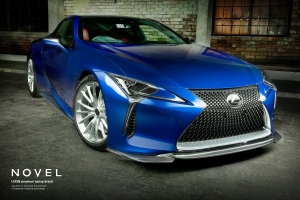
Lowering Springs vs Coilovers on a Lexus RC F or IS F: Which Makes Sense?


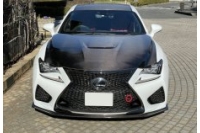
Almost every RC F and IS F owner hits this question eventually. You want the car lower and a little tighter. Do you buy lowering springs, or do you go straight to coilovers? People get pretty opinionated about lowering springs vs coilovers, so let's walk through it calmly.
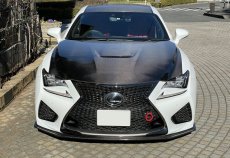
What each one actually is
Lowering springs replace your factory springs and keep your factory dampers. The car sits lower and the spring rate usually goes up a bit. That's it. Fewer parts, simpler install, lower cost.
Coilovers replace the whole corner: damper and spring together, usually with adjustable ride height and often adjustable damping. More control, more cost, more decisions.
The biggest takeaway: it comes down to your dampers
My concern with lowering springs on a high-mileage car is the factory dampers. A lowering spring asks the damper to control a stiffer spring at a shorter ride height. Healthy dampers handle that well. Tired dampers don't, and you end up with a car that bounces and floats.
So the first question isn't springs or coilovers. It's "how healthy are my shocks?"
When lowering springs make sense
- Your dampers are in good shape
- The car is mostly a street car
- You want a cleaner stance and a little less body roll without changing the car's character
- You'd rather not spend time adjusting things
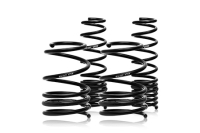
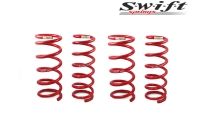
We carry Swift springs for both cars. The Swift SPEC R Lowering Springs for the 2015+ RC F and the Swift Sport Lowering Springs for the 2008-2011 IS F. The product pages describe them as a balance of stance and handling for the street, which matches how most owners use these cars.
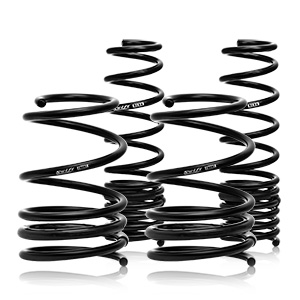
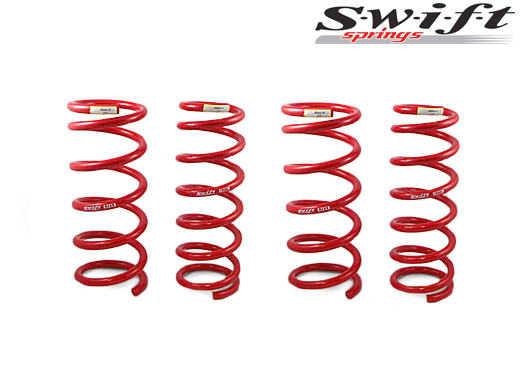
Pay attention to the IS F year range on that listing. Check your model year against the product page before ordering.
When coilovers make sense
- You do track days or want to
- You want to set ride height exactly, for aero or wheel fitment
- Your dampers are tired anyway, so you're replacing them either way
- You want to tune the car over time
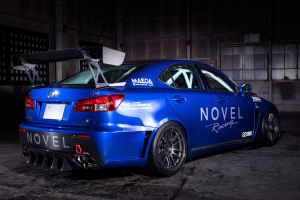
For RC F track cars, we've covered the NOVEL x Endless Zeal coilovers in our RC F build guide.
And if you already have coilovers
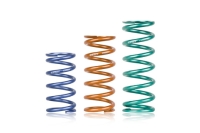
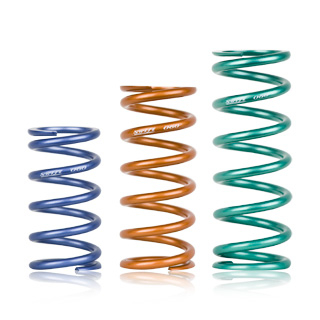
Then the spring is the part you can change. Swift also makes metric coilover springs, like the Swift Z65-203 8KG coilover spring. We also carry HALsprings, and we wrote about how rate and rebound speed work in our 8KG vs 10KG post and our HAL rebound speed post.
Tradeoffs
- Cost: springs cost less up front, but if you replace dampers later, you've paid twice.
- Adjustability: springs give you one height. Coilovers let you choose.
- Ride: a good spring on good dampers can ride better than a cheap coilover. Don't assume coilovers are automatically the upgrade.
- Alignment: either way, get an alignment after lowering.
How we'd decide
Street car, healthy dampers, you just want it to look and feel tighter: lowering springs. Track days, tired dampers or wheel fitment goals: coilovers. That's honestly most of the decision. Do what's right for you and your car.
Lowering springs vs coilovers: what changes in the install
Both jobs start the same way. The strut or shock assembly comes off the car. From there they split.
Lowering springs go onto your factory shocks. The shop compresses the factory spring, swaps in the new one, and reinstalls the assembly. It's a medium difficulty job for a suspension shop, and it's not something we'd do in a driveway without a proper strut spring compressor. Labor is usually less than coilovers, because there's nothing to set up afterward except an alignment.
Coilovers replace the whole assembly. Install is similar, but setup takes longer. Ride height has to be set at each corner, the car needs to settle, and then it gets aligned. On a track car, corner balancing is worth doing too. If your coilover has damping adjustment, plan on some time to find settings you like.
Year and fitment gotchas on the RC F and IS F
This is where we see mistakes. The Swift Spec-R springs we list for the RC F are for the 2015+ RC F. The Swift Sport springs for the IS F are listed for 2008-2011. If your IS F is a later car, check with us before ordering, because the listing is specific. The same goes for coilovers. The NOVEL x Endless Zeal coilovers are RC F specific. They're not shared with the IS F, even though both cars use the 2UR.
Also tell us your exact trim and whether your car has any electronically adjustable suspension. That can affect which spring or coilover makes sense, and it's much easier to sort out before the part ships.
What it costs, honestly
We don't quote prices here, but we can talk about how the costs stack up. Springs are the lower cost path on parts and labor. Coilovers cost more up front, plus a longer install and alignment. Where springs can get expensive is if your factory shocks are already tired. Lowering springs on worn shocks feel bouncy and can wear the shocks faster. If you'd need new shocks anyway, the gap between springs and coilovers gets a lot smaller. Hit Add to Quote on the parts you're considering and we'll show you the real numbers.
How they feel day to day
A good set of lowering springs on healthy factory shocks keeps most of the factory comfort. The car sits lower, rolls a little less, and still feels like a Lexus. Coilovers give you control. You set the height, and on adjustable units you tune how the car responds. The tradeoff is that a racing coilover with stiff rates feels busier on rough pavement. That's fine at the track. On a pothole filled commute, it depends on your application and your patience.
A common story we hear
An owner lowers the car on springs, loves the look for a few months, then starts to notice the car bouncing after dips. That's usually not the springs. It's the factory shocks, which were already getting tired and now have to control a lower car. That owner ends up buying coilovers anyway and paying for two installs and two alignments. That's why we ask about mileage and how the car rides today before recommending either path. If the car already feels floaty, we'd rather tell you upfront that coilovers might be the better spend.
Maintenance on each
- Springs: almost nothing. Watch your factory shocks for leaks or bounce as they age.
- Coilovers: keep threads clean so you can adjust later, recheck ride height after settling, and inspect for leaks. In winter climates, clean them more often.
- Both: recheck alignment if the car starts pulling or wearing tires unevenly.
What to pair with your choice
If you're doing aero, decide your suspension first. Ride height changes how a front lip and diffuser sit, which is why we put suspension before aero in our RC F build guide. Wheels and tires come next, because a lower car has less fender room. And if the car is going to see the track, brakes move up the list too.
If you're on an older IS F, our IS F at 18 post covers what else to check on a car that age before you change the suspension.
FAQ
Will lowering springs ruin my factory shocks?
Healthy dampers handle a quality lowering spring well. Worn dampers wear faster and ride worse. Check them first.
Do I need an alignment after lowering?
Yes. Any change in ride height changes alignment.
Do Swift RC F springs fit every year?
The listing names the 2015+ RC F. Confirm your year on the product page or ask Tania or Kenia.
Are coilovers always better?
No. A good spring on healthy dampers can be the better street setup.
Can I put Swift springs on my coilovers?
If you have coilovers, use metric coilover springs that match your inner diameter and free length.
Do lowering springs fit cars with adaptive suspension?
It depends on the car and the springs. Tell us your trim and we'll check the listing for you.
Which is better for a daily driven RC F, lowering springs or coilovers?
For most daily driven cars with healthy shocks, lowering springs are the simpler answer. If you want adjustability or you track the car, coilovers make more sense.
How much lower do the Swift springs sit?
Check the product page for Swift's listed drop for your car. We'd rather point you to their numbers than guess.
Can I go from springs to coilovers later?
Yes. Plenty of owners start with springs and move to coilovers when the factory shocks wear out or they start tracking the car.
Do coilovers make the car louder or rattly?
A quality coilover shouldn't rattle. If you hear noise after install, have the shop check the top mounts and hardware.
Next step
If you're putting a plan together, the easiest thing is to add the parts you're looking at to your cart and hit Add to Quote. We'll look it over, confirm fitment and availability, and get back to you. If you'd rather talk it through first, reach out and Tania or Kenia can help with fitment and stock questions. No pressure at all. We'd rather you buy the right part once than the wrong part twice.