Coilover Spring Rates Explained: 8KG vs 10KG, How to Choose


We get this question a lot from people shopping for coilover springs. "Should I get 8KG or 10KG?" Spring rate is one of those choices where, honestly, the right answer starts with a few questions back. So let's walk through what those numbers mean, how to read a spring listing, and how we'd think about choosing.
We'll use HALsprings as the example, since we carry their metric coilover springs and the listings spell everything out.
What "8KG" actually means
A spring rate in KG is kilograms of force per millimeter. An 8KG spring takes 8 kilograms of force to compress it one millimeter. A 10KG spring takes 10.
If you're used to U.S. numbers in pounds per inch, here's the translation. One kgf/mm is roughly 56 lb/in. So:
- 8KG is roughly 448 lb/in
- 10KG is roughly 560 lb/in
So 10KG is 25% stiffer than 8KG. That's a noticeable step, not a small tweak.
How to read a HAL spring listing
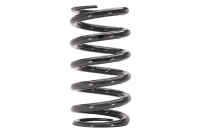
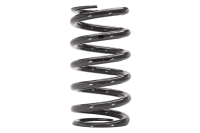
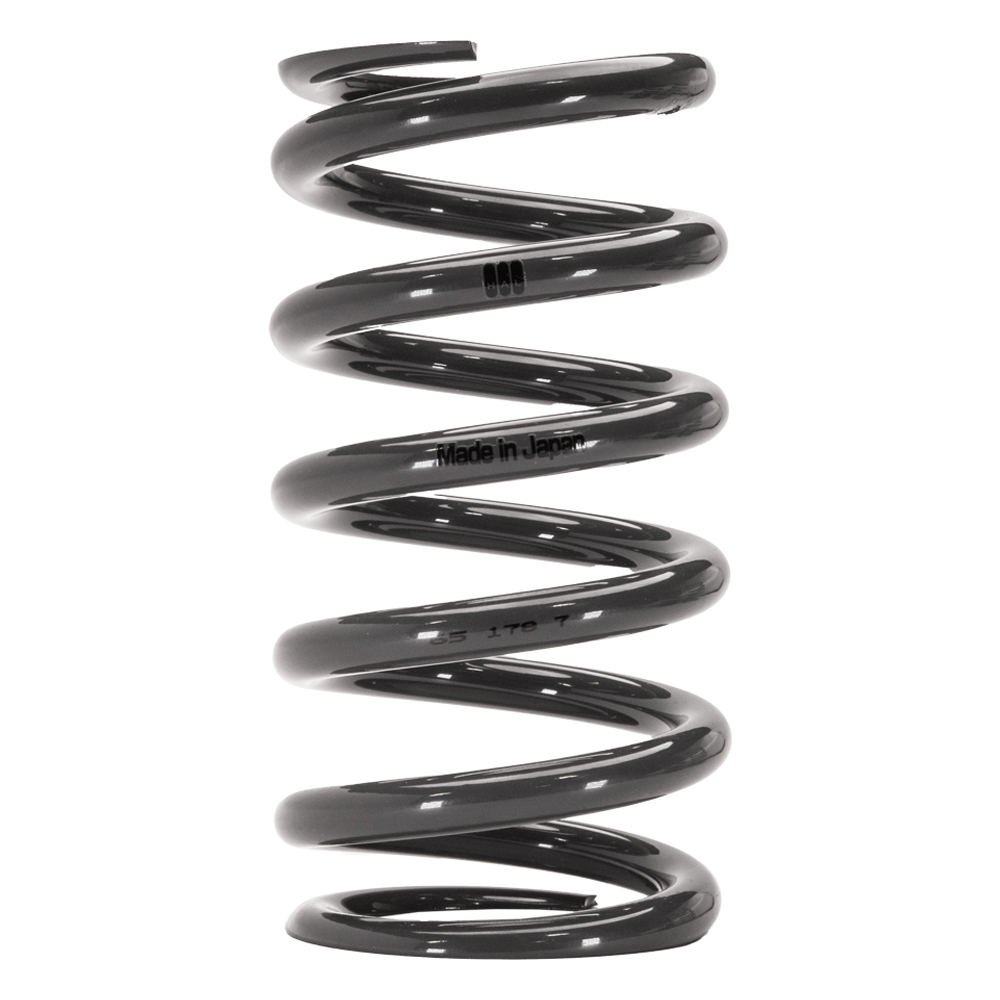
Take the HAL ID65-203-8 Low Rebound spring as an example. Here's what each part means:
- ID65: 65 mm inner diameter. This has to match your coilover.
- 203: 203 mm free length, the length of the spring with no load on it.
- 8: the rate, 8 kgf/mm.
- Low: the rebound speed. More on that below.
And one detail people miss: these are sold as one spring, not a pair. Order what your setup needs.
The biggest takeaway: rate is about the car, not the ego
My concern with how a lot of people pick springs is that they go stiffer because it sounds faster. Stiffer isn't automatically better. The right rate depends on:
- How heavy the car is, and how much weight sits on that corner
- Your coilover's damper, and whether it's valved to control that rate
- How you drive. Daily, canyon, autocross, track
- The roads. Smooth or broken pavement
- If you're running more aero or stickier tires that load the car more
8KG vs 10KG spring rate: how we'd think about it
8KG tends to make sense when the car spends most of its time on the street, the roads aren't perfect, and you want good body control without rattling your teeth out.
10KG starts making sense when the car sees more track time, you're on stickier tires, or the car is heavier at that corner and 8KG just isn't holding it up the way you want.
And if your coilover came with a recommended range, start there. The damper has to be able to control the spring. A spring that's too stiff for the damper can feel worse, not better.
Where rebound speed comes in
Here's the part that makes HAL different. HAL makes the same rate in different rebound speeds. Same rate, same support in a corner, but a different speed of return after a bump. We go deeper in our HAL rebound speed post.
The HAL Low Rebound listing says it well: it gives you all the performance of the rate, without the jaggedness of a higher rebound speed spring. Through hysteresis, the spring dissipates a little energy within itself, kind of like a built-in pre-damper. Small, quick bumps get smoothed out, while cornering, braking and weight transfer are still supported at the full rate.
That matters for this decision. If you're stuck between 8KG and 10KG on a dual-purpose car, a 10KG Low Rebound may give you the support of 10KG with less harshness than you'd expect. Or an 8KG Low Rebound may feel more composed than the 8KG you're used to. That's something to talk through with us.
Medium and High versions
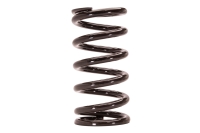
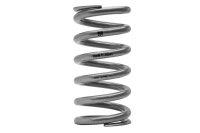
We also carry HAL in Medium and High rebound speeds, like the 8KG Medium, 10KG Medium, 8KG High and 10KG High. Most U.S. spring brands would be considered medium rebound speed, so Medium is a familiar feel. High suits smooth, well maintained tracks.
A quick checklist before you order
- Your coilover brand and its spring inner diameter (ID65 or another size)
- The free length you're running now
- Your current rate front and rear, and what you don't like about it
- How you use the car
Send us those four things and we can compare notes fast.
Tradeoffs
- Going stiffer means less body roll and sharper response, but more harshness and less grip on bumpy surfaces.
- Going softer means more comfort and compliance, but more roll and pitch.
- Changing only one end changes the balance of the car. Think about front and rear together.
Front and rear spring rates don't have to match
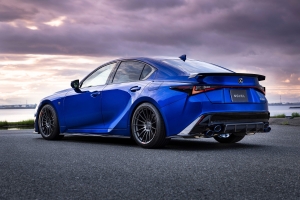
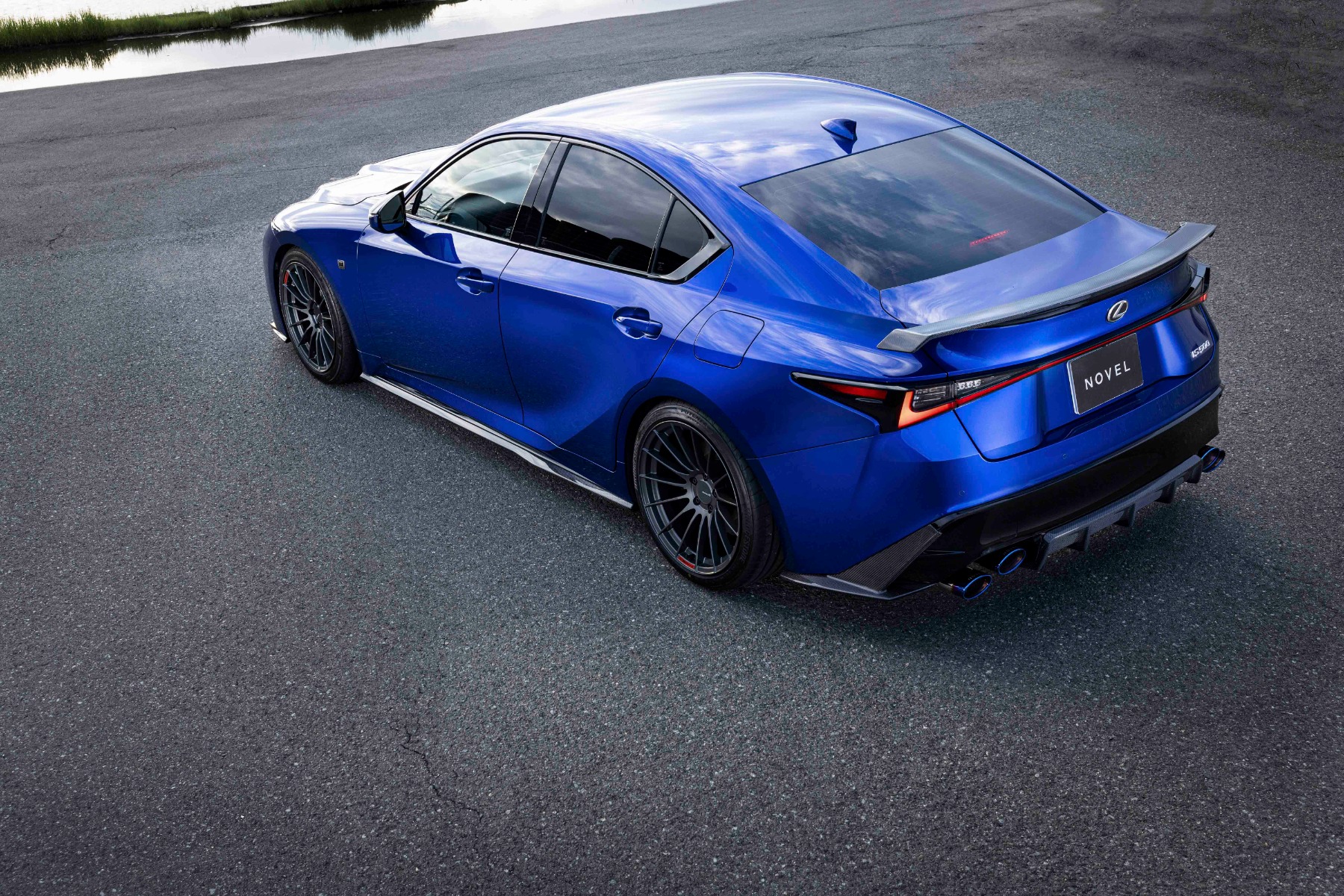
A lot of people ask for "10KG springs" like the whole car runs one rate. Most setups don't. Factory weight distribution, where the engine sits and how the car is driven all affect what each end wants. Look at the coilovers we sell for the Lexus F cars as real examples. The NOVEL x Endless Zeal coilover for the RC F lists F 20KG and R 24KG. The IS 500 version lists F 14KG and R 20KG. Same brand, same idea, different cars, different rates front to rear.
So when you're picking HAL springs for your own coilover, think about each end separately. If your coilover maker publishes recommended rates for your car, that's your starting point.
Common mistakes we see
- Going stiff for looks. A stiffer spring doesn't make the car lower. Ride height is set on the coilover.
- Ignoring the damper. If the damper can't control the rate, the car feels bouncy or harsh.
- Wrong inner diameter. ID65 has to match your coilover's spring seat.
- Ordering one spring. These are sold individually, so make sure you order enough for each corner.
- Forgetting length. The 203mm free length affects how much adjustment you'll have.
Install notes
Changing springs on a coilover is a medium difficulty job. The coilover comes off the car, and the spring has to be compressed safely to remove the top hardware. If you don't have a proper strut spring compressor, let a shop handle it. After the swap, reset ride height, drive a little so the springs settle, then get an alignment. If you're tracking the car, a corner balance is worth it.
How a spring rate change feels on the road
Going from 8KG to 10KG, most drivers notice less body roll and a quicker response to steering. They also notice more of the road, especially on broken pavement. That's the trade. On a smooth track, it can feel great. On a rough commute, it depends on your application and your patience. This is exactly where HAL's rebound speed options help, because they change how the spring returns after small bumps without changing the rate. We explain that in our HALsprings rebound speed post.
Tires, aero and spring rate go together
Stickier tires and real aero both load the suspension harder. A rate that felt right on all season tires can feel soft once you put on a 200 treadwear tire or add a front splitter and wing. That's one reason track cars creep up in rate over time. If you're planning tires or aero soon, mention it when you ask us about springs. It changes the recommendation, and it's better to choose once than to buy springs twice.
The reverse is also true. If the car is going to stay on street tires and see mostly daily driving, there's no prize for running a race car rate. Pick the spring for the car you actually drive.
Maintenance
Springs don't need much. Clean the coilover threads, check that the spring is seated correctly after the first few hundred miles, and recheck ride height. If you hear a clunk, check the perch and top hardware before blaming the spring.
FAQ
Is 10KG too stiff for a street car?
It depends on the car and the damper. On some cars it's fine, on others it's harsh. Tell us your car and coilover.
How do I convert KG to lb/in?
Multiply by about 56. 8KG is roughly 448 lb/in and 10KG is roughly 560 lb/in.
Does free length matter?
Yes. It affects ride height range and preload on your coilover. Match it to your setup.
Are HAL springs sold in pairs?
Most HAL metric coilover springs are sold individually.
What's the difference between Low and High rebound at the same rate?
Same rate and support, different speed of return after a bump. Low is smoother over small, quick inputs.
Does a stiffer spring rate lower the car?
No. Ride height is set on the coilover. Rate changes how the car resists compression.
How do I convert KG to lb/in?
Multiply by about 56. 8KG is roughly 448 lb/in and 10KG is roughly 560 lb/in.
Should front and rear spring rates be the same?
Not necessarily. Many cars use different rates front and rear. Start from your coilover maker's recommendation.
Next step
If you're putting a plan together, the easiest thing is to add the parts you're looking at to your cart and hit Add to Quote. We'll look it over, confirm fitment and availability, and get back to you. If you'd rather talk it through first, reach out and Tania or Kenia can help with fitment and stock questions. No pressure at all. We'd rather you buy the right part once than the wrong part twice.